In industrial applications, the significance of Spiral Gaskets cannot be overstated. Renowned expert John Smith, who has over 20 years of experience in sealing technology, once said, "Choosing the right gasket can make or break your operation." This statement resonates deeply, as efficient gasket use is crucial for maintaining system integrity.
Spiral Gaskets offer numerous benefits. They provide excellent sealing performance under extreme pressure and temperature conditions. Additionally, their design allows for flexibility, which is vital in preventing leaks. However, not all gaskets are created equal. It’s essential to choose the right material for specific applications to avoid failures.
Despite the advantages, some still overlook the importance of proper installation. Manufacturers often stress the need for precise fitting. A poorly installed Spiral Gasket can lead to costly outages. Reflecting on this, companies must invest time and effort in training personnel to ensure reliable sealing solutions. The advantages of Spiral Gaskets are clear, yet awareness and attention to detail are vital for optimal results.
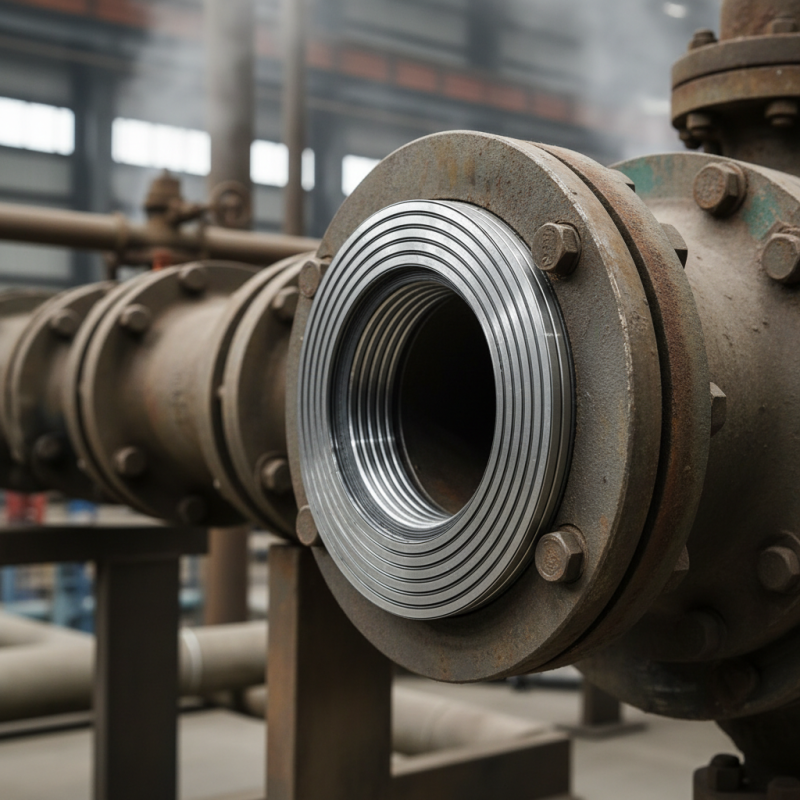
Spiral gaskets are a key component in industrial sealing applications. They consist of a series of alternating layers of metal and filler material, allowing them to adapt well to pressure and temperature changes. The design ensures a tight seal, reducing the risk of leaks. According to a recent industry report, spiral gaskets can improve sealing reliability by up to 30% compared to flat gaskets.
The filler material often includes compressed non-asbestos fibers, which adds flexibility. This flexibility allows the gasket to conform to uneven surfaces. As a result, less torque is needed during installation. However, it is crucial to ensure proper installation to avoid damage and achieve optimal performance. Some studies suggest that incorrect installation can lead to seal failure in up to 20% of cases.
Spiral gaskets are suitable for a variety of applications, including chemical processing and oil production. They perform well under extreme conditions. Yet the manufacturing process can be complex, raising concerns about quality control. Not all spiral gaskets meet the same standards, which can lead to inconsistencies in performance. Industries must carefully choose suppliers to minimize risks.
Spiral gaskets are known for their enhanced sealing performance. They provide superior joint integrity in high-pressure environments. According to a recent industry report, spiral gaskets can reduce leakage rates by up to 40%. This is especially critical in sectors like oil and gas, where safety is paramount.
Their construction, featuring a metal core and a sealing material, allows for excellent compressibility. This ensures a tight seal even under extreme conditions. Studies have shown that these gaskets perform well in temperatures ranging from -200°C to 1000°C. However, some installations may require specific design adjustments to maximize effectiveness. The inconsistency in flange surfaces can lead to premature failures.
While spiral gaskets are robust, they aren’t flawless. Installation errors or insufficient torque can compromise their performance. Understanding manufacturer specifications is crucial. The design must match the application to achieve optimal results. Regular maintenance and inspection are essential for long-term reliability. Identifying early signs of wear can prevent costly downtimes and enhance operational efficiency.
The chart above illustrates the top 10 benefits of spiral gaskets used in industrial applications, with each benefit rated on a scale from 0 to 100, reflecting their effectiveness and importance in enhancing joint integrity and performance.
Spiral gaskets are essential in many industrial applications. Their design allows them to withstand high temperatures and pressures, making them highly effective. These gaskets consist of a metal strip and a filler material, creating a strong seal. This combination ensures durability, even under extreme conditions.
In environments where temperature fluctuates, spiral gaskets excel. They maintain integrity, unlike some materials that deform or lose effectiveness. This reliability is crucial in high-pressure systems. It prevents leaks and enhances safety. However, not all spiral gaskets are the same. Always check compatibility with specific fluids and the environment before use.
**Tips:** Regular maintenance helps ensure these gaskets work properly. Inspect them for wear or damage. Consider using spiral gaskets made from different materials. Sometimes, a slight adjustment in material can improve performance significantly. Selecting the right gasket can make a difference in longevity and efficiency. Subtle differences may lead to more significant issues down the line.
Spiral gaskets are becoming increasingly popular in various industrial sectors. Their unique design offers flexibility and strength, making them ideal for high-pressure and high-temperature environments. The oil and gas industry is one of the primary users. These gaskets ensure tight seals in pipelines, allowing for the safe transport of fluids. Any leakage can lead to significant hazards, so reliable sealing is essential.
In the chemical processing industry, spiral gaskets play a crucial role. They can withstand aggressive chemicals and prevent spills. This is critical for both safety and environmental protection. Different materials can be combined to create gaskets specific to various chemical properties. Many companies still overlook the importance of tailored gasket design, which can lead to failures.
The power generation sector also benefits from spiral gaskets. They seal equipment like turbines and boilers efficiently. However, installation can be tricky. Improper handling may damage the gaskets. This not only affects performance but can also lead to costly downtime. Industries must train their teams thoroughly to avoid these pitfalls.
Spiral gaskets are essential in industrial settings. They serve a critical role in sealing applications. Their cost-effectiveness is a primary advantage. According to a study by the American Society of Mechanical Engineers (ASME), spiral gaskets can reduce maintenance costs by up to 30%. This is primarily due to their durability.
These gaskets also show impressive longevity. Research indicates they last four times longer than traditional gaskets. The extended service life minimizes replacement frequency, leading to reduced downtime. Additionally, they perform well under high-pressure conditions. The result is a lower total cost of ownership for manufacturers.
However, there are aspects to consider. Some gaskets may fail under extreme temperatures. Improper installation can lead to leaks, negating cost benefits. Training staff on proper handling is vital. This investment can prevent costly errors. Ultimately, spiral gaskets offer significant economic advantages, but attention to detail is crucial.
: Spiral gaskets are known for enhanced sealing performance and superior joint integrity in high-pressure environments.
They can reduce leakage rates by up to 40%, especially in critical sectors like oil and gas.
The metal core and the sealing material provide excellent compressibility for a tight seal under extreme conditions.
They perform well in temperatures ranging from -200°C to 1000°C, but specific design adjustments may be needed.
Inconsistent flange surfaces and installation errors can compromise their performance and lead to failures.
Knowing specifications ensures the design matches the application, achieving optimal results in sealing performance.
Regular maintenance and inspection are essential to identify signs of wear and prevent costly downtimes.
The oil and gas, chemical processing, and power generation sectors all benefit greatly from spiral gaskets.
Proper handling and installation are crucial to avoid performance issues and costly downtime.
No, they are not flawless. They require careful attention to detail during installation and maintenance for best results.
Spiral gaskets are essential components in various industrial applications, designed to enhance joint integrity through their unique construction. Their design, which typically consists of alternating layers of metal and soft material, enables them to provide exceptional sealing performance, effectively accommodating irregularities in the surfaces they join. This feature significantly improves sealing performance compared to traditional gasket types.
Moreover, spiral gaskets are highly resistant to extreme temperatures and pressures, making them suitable for a broad range of environments. Their versatility allows them to be used in industries such as oil and gas, chemical processing, and power generation. Additionally, the cost-effectiveness and longevity of spiral gaskets further underscore their economic advantages, reducing the frequency of replacements and maintenance costs over time. In summary, the benefits of spiral gaskets make them a valuable choice for enhancing operational efficiency across multiple industrial sectors.

San Biao