When embarking on a construction project, choosing the right materials is crucial. Steel Structure Anchor Bolts play a vital role in ensuring stability and safety. Expert engineer John Smith states, "The foundation of any steel structure relies heavily on the quality of its anchor bolts." This highlights their significance in structural integrity.
Selecting Steel Structure Anchor Bolts requires careful consideration of various factors. The size, type, and material must match engineering specifications. Improper choices can lead to safety risks. Many overlook bolt grades, leading to failures in critical situations. A focus on quality and compliance can save time and costs.
Navigating through the myriad of options may be daunting. Experts recommend consulting with manufacturers for detailed specifications. Understanding the project requirements will help guide these decisions. Taking shortcuts may lead to dire consequences. Ultimately, ensuring the right selection of Steel Structure Anchor Bolts means prioritizing safety and durability in your project.
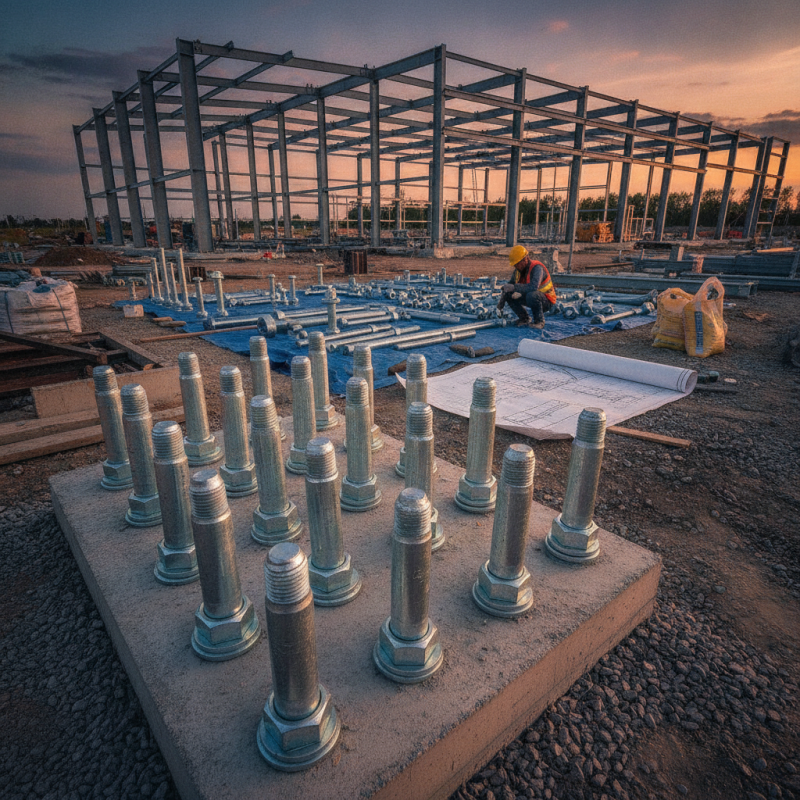
Anchor bolts serve a critical role in steel structures by securing components to foundations. They ensure stable connections, providing the necessary support to withstand various forces. Properly selected anchor bolts can prevent structural failures. They act as a lifeline, linking the steel framework to its base, enabling it to endure environmental stressors.
The selection process requires careful consideration of the project’s specifications. Understanding load requirements and environmental conditions is crucial. Ignoring these factors can lead to inadequate support. For instance, using the wrong size or material might compromise the entire structure. It’s vital to consult structural engineers when making these choices. Their expertise can help navigate complex requirements.
Choosing the right anchor bolts isn’t just about strength. Rust resistance and the bolt's lifespan matter significantly. An overlooked detail can lead to costly repairs down the line. Environmental exposure demands durable materials. Taking these factors into account can lead to a more secure steel framework. Reflecting on past projects can also guide future decisions, helping avoid common pitfalls.
When selecting steel structure anchor bolts, several key factors must be considered. The bolt's material plays a significant role. Typically, steel is preferred for strength and durability. According to industry reports, around 90% of anchor bolts used in construction are made of carbon steel. This helps ensure their performance and longevity.
The environmental conditions of your project site are crucial. Corrosion resistance is often a key concern. Depending on exposure levels, it might be necessary to opt for galvanized or stainless steel bolts. Research indicates that corrosion can reduce the lifespan of anchor bolts by nearly 50% in harsh environments.
Load capacity is another significant factor. Bolts must be matched to the specific load and stress requirements of the structure. Miscalculating these needs can lead to failure. Data shows that improper anchor bolt selection contributes to approximately 30% of structural failures in steel buildings. Exact specifications and testing standards must be followed to avoid these costly mistakes. Attention to detail is necessary to ensure a safe and successful project.
| Factor | Description | Importance |
|---|---|---|
| Material Type | Select high-strength steel or stainless steel based on environmental conditions. | High |
| Bolt Size | Choose appropriate diameter and length to ensure sufficient load capacity. | Critical |
| Load Conditions | Consider both static and dynamic loads that the structure will experience. | Very High |
| Corrosion Resistance | Look for coating or material options that resist corrosion for longevity. | High |
| Environmental Factors | Assess exposure to moisture, chemicals, and temperature changes. | Medium |
| Installation Method | Ensure compatibility with installation tools and methods. | Important |
When selecting anchor bolts for steel structures, it's crucial to understand the types available. There are several anchor bolt types used in construction, including bent anchor bolts, sleeved anchor bolts, and expansion bolts.
Bent anchor bolts are often used for securing structural components. These bolts can offer stability in various conditions.
Sleeved anchor bolts are versatile. They can be installed in various materials, such as concrete and masonry. Expansion bolts work by expanding against the sides of the drilled hole. This creates a secure grip, ideal for heavy loads. Each type has performance characteristics that suit different applications.
Tips: Always assess the load requirements for your project. The correct anchor bolt choice ensures safety and longevity. Consider the environment; corrosion-resistant materials enhance durability. When in doubt, consult with a structural engineer to ensure you make the right selection. Research and testing can lead to better decisions. A poorly chosen anchor can lead to project failures. Prioritizing quality over cost can be a wise choice.
Choosing the right anchor bolts is critical for any steel structure project. The load capacity requirements must be defined early in the planning stage. Each project has unique demands. These may include environmental factors, dynamic loads, and material characteristics. Understanding these elements is crucial. The right specifications will ensure safety and stability.
Assessing load capacity involves precise calculations. Engineers often start with the maximum anticipated loads. This includes both static and dynamic factors. They also consider potential shifts in weight over time. Regular evaluations of these loads are necessary. Sometimes, unexpected issues arise. Designers must remain flexible and adjust as needed.
Selecting the correct anchor bolts can be complex. Various options exist, and each has its own strengths and weaknesses. For instance, one type may handle certain loads but not others. Prototypes and testing can help refine choices. Collaboration with experienced engineers offers valuable insights. Each decision impacts the integrity of the structure. Thus, careful consideration is essential. Keep in mind, even minor miscalculations can lead to serious consequences.
Installing anchor bolts for steel structures requires careful attention to detail. Proper placement is crucial to ensure the integrity of the entire structure. The first step is to determine the appropriate type and size of anchor bolts for your specific project needs. This decision should be based on load requirements and environmental conditions.
Next, the installation process should be methodical. Begin by marking the precise locations for the bolts on the base material. Use a level to ensure accuracy. Make sure to drill holes that are clean and free from debris. Poorly drilled holes can compromise the strength of the anchor.
Once the holes are prepared, insert the anchor bolts and ensure they align properly. This step is often overlooked. Misalignment can lead to structural failure. Finally, check the tension of the bolts after installation. A common mistake is neglecting to verify this crucial aspect. Regular inspections over time can help catch any issues early. Pay attention to changes in load or environmental factors that might affect the bolts. These practices contribute to a safer and more reliable structure.
: Anchor bolts secure components to foundations in steel structures. They ensure stability and support against various forces.
Proper selection can prevent structural failures. It ensures connections can withstand environmental stressors.
Load requirements and environmental conditions are crucial. Ignoring these can lead to inadequate support.
Common types include bent anchor bolts, sleeved anchor bolts, and expansion bolts. Each type suits different applications.
Corrosion resistance and durability are vital. Poor material choices can result in costly repairs later on.
Structural engineers provide expertise to navigate complex requirements. Their guidance can help avoid common pitfalls.
Assessing static and dynamic loads early in planning is critical. Regular evaluations ensure ongoing stability.
Using inadequate bolts can lead to project failures. Miscalculations may compromise the integrity of the structure.
Prototyping and testing help refine choices. Each decision can significantly impact overall construction safety.
Reflecting on previous experiences can guide better decisions. Learning from past mistakes is crucial for improvement.
Choosing the right Steel Structure Anchor Bolts is crucial for ensuring the stability and durability of any steel construction project. Understanding their importance is the first step, as these bolts play a vital role in securing steel structures to their foundations, which directly impacts overall safety and performance. When selecting anchor bolts, key factors such as material type, size, and corrosion resistance should be carefully considered.
Additionally, it is essential to determine the load capacity requirements for your specific project to select the appropriate type of anchor bolt. Different types, such as mechanical, chemical, or expansion anchor bolts, serve various applications in steel construction. Following proper installation guidelines and best practices ensures that the anchor bolts function effectively, providing the necessary support and longevity for the structure.

San Biao