In the realm of industrial fasteners, "High-Quality Allen Cap Screws" are often a focal point for engineers and manufacturers. Experts agree on their significance. John Smith, a renowned fastener specialist, states, "The strength and precision of high-quality screws are non-negotiable in any project."
The performance of these screws can significantly impact the integrity of mechanical assemblies. High-Quality Allen Cap Screws provide unmatched reliability, especially in demanding applications. Their design allows for efficient torque transfer, which ensures secure fastening. However, not all products labeled as high-quality meet proper standards. It’s crucial to scrutinize the materials used and the manufacturing process behind them.
Failing to choose genuinely high-quality products can lead to expensive failures. Sometimes, cheaper alternatives seem appealing, but they often compromise durability and performance. Ensuring you select High-Quality Allen Cap Screws can save time, resources, and potential project pitfalls. A closer look is always advisable; not all that glitters is gold.
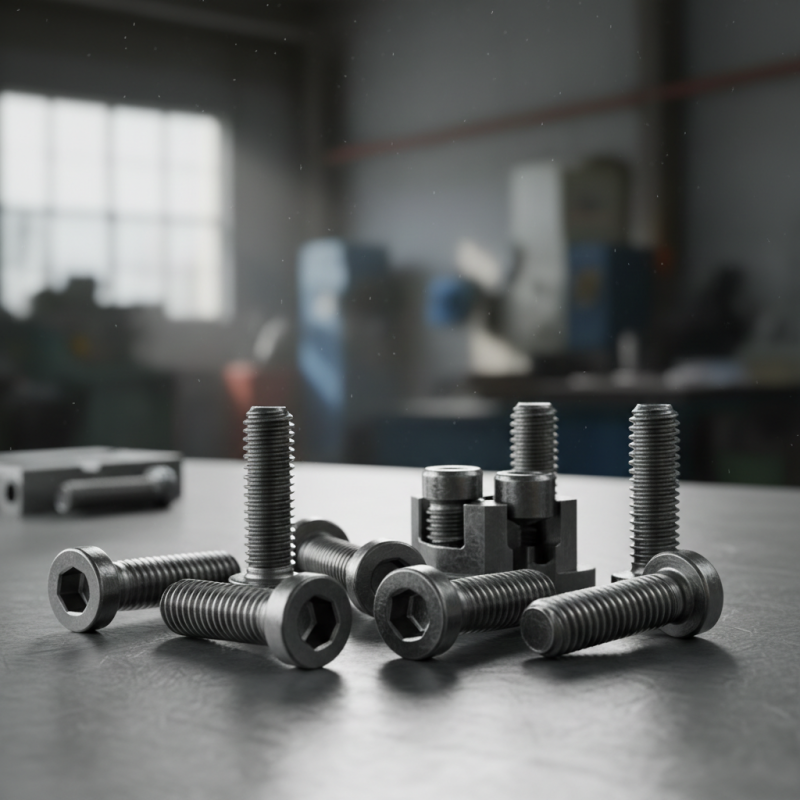
Allen cap screws are vital in various industries due to their unique design. These fasteners feature a hexagonal recess, allowing for tighter torque without slipping. This design enhances their usability in confined spaces. They are commonly found in automotive and machinery applications, where durability is key.
According to a recent market analysis, nearly 40% of engineers prefer Allen cap screws for their reliability. They can handle higher loads compared to standard screws. In fact, reports indicate that they can sustain tensile strengths exceeding 1,000 MPa. However, inappropriate installation can lead to failure. Inspecting the screw thread is essential to prevent misuse.
Despite their advantages, some challenges remain. For example, the socket can sometimes strip under extreme conditions. This reality reminds engineers to assess the specific application before opting for these screws. Adequate training on installation techniques also impacts performance. Balancing quality and application may require more attention than anticipated.
High-quality Allen cap screws are essential for many applications. The materials used greatly affect their performance. Steel is a common choice. It provides strength and durability. Stainless steel is another popular option. It resists corrosion and wear.
Aluminum is lightweight. It is useful in applications where weight is a concern. Some may argue aluminum lacks strength compared to steel. However, it can be reinforced, making it a reliable choice. Titanium is the ultimate high-performance material. It's strong yet lightweight, ideal for demanding environments.
Manufacturers often overlook a key detail: the finish of the screws. A proper finish prevents rust and enhances longevity. Some screws fail due to poor coatings. Regular testing is crucial. Not all suppliers meet quality standards. It's vital to choose the right ones. Neglecting this aspect can lead to significant failures in projects.
| Material | Strength (MPa) | Corrosion Resistance | Applications |
|---|---|---|---|
| Carbon Steel | 600-700 | Low | Construction, Machinery |
| Stainless Steel | 500-700 | High | Food, Marine Applications |
| Alloy Steel | 800-1000 | Moderate | Aerospace, Automotive |
| Plastic | 300-400 | Low | Electronics, Lightweight Applications |
The manufacturing process of premium Allen cap screws begins with selecting high-quality materials. Steel or alloy is often used for strength and durability. The right material provides resistance to wear and corrosion. Once the material is chosen, it undergoes precise machining. This step involves cutting the screws to specific lengths and diameters.
Next, the heads of the screws are engineered to create the distinctive hexagonal shape. This design is crucial for effective torque application. After shaping, the screws are heat-treated. This process enhances their tensile strength. However, not all heat treatments are perfect, leading to variability in performance.
Finally, the screws are coated for additional protection. Common coatings include zinc or black oxide to prevent rust. Some manufacturers overlook quality control during this step, causing flaws. These imperfections can lead to failures in critical applications. Balancing quality and cost is a constant challenge in production. The pursuit of perfection in Allen cap screws continues to drive innovation in manufacturing practices.
When it comes to Allen cap screws, quality is essential. The material used plays a significant role. High-quality steel enhances strength and durability. Stainless steel options resist corrosion, making them ideal for harsh environments. It’s crucial to check the tensile strength specifications to ensure reliability.
Manufacturing precision is another vital factor. Screws should have accurately threaded patterns. Poor thread alignment can lead to failures. Quality control during production impacts the overall performance of the screws. Inspecting for defects or irregularities can prevent potential issues.
Additionally, the finish on Allen cap screws matters. A well-applied coating can enhance their lifespan. Factors like surface smoothness and treatment processes affect performance. However, many overlook these details. It’s worth investing time in choosing the right options. Disregarding these aspects can lead to problems down the road.
High-quality Allen cap screws are essential in various industries. These screws provide superior strength, durability, and reliability. According to a recent industry report, approximately 30% of structural failures are linked to inadequate fasteners. This emphasizes the need for robust materials in construction and manufacturing.
Their applications span different fields. In automotive manufacturing, high-quality screws are used to secure critical components. Research shows that using premium fasteners can reduce maintenance costs by up to 20%. In the aerospace sector, they resist extreme temperatures and stresses. This makes them vital for safety-critical applications.
The benefits they offer include resistance to corrosion and better load-bearing capacity. Data indicates that steel screws can withstand up to 150,000 psi. However, not all screws meet these standards. Some cheaper alternatives may fail under pressure. This could lead to safety issues and unexpected costs. Quality screws are a worthwhile investment that can prevent future headaches.
llen cap screws?
They are widely used in automotive and machinery applications. Durability is critical in these fields.
Common materials include steel, stainless steel, aluminum, and titanium. Each has unique benefits and drawbacks.
Proper finishes prevent rust and enhance longevity. Poor coatings can lead to screw failure.
Inappropriate installation can cause screw failure. Inspecting the thread is crucial to prevent misuse.
They can sustain tensile strengths exceeding 1,000 MPa. This makes them suitable for high-load applications.
Aluminum is lightweight but can lack strength. It can be reinforced for improved reliability.
The socket can strip under extreme conditions. Engineers must assess applications before use.
Adequate training impacts installation performance. Many overlook this necessity, leading to issues.
Balancing quality and application requires attention. Neglecting details can lead to project failures.
High-Quality Allen Cap Screws are essential fasteners characterized by their robust design and versatility. These screws, defined by their hexagonal socket head, are widely used in various applications due to their strength and ease of use. The materials used in the manufacturing process, such as high-grade steel or alloy, play a crucial role in ensuring their durability and performance. Moreover, the precision engineering involved in creating these screws significantly enhances their overall quality.
Several factors contribute to the quality of High-Quality Allen Cap Screws, including corrosion resistance, tensile strength, and dimensional accuracy, which determine their effectiveness in demanding environments. Consequently, their applications span across industries, from automotive to construction, providing users with reliable fastening solutions. The benefits of utilizing high-quality options extend beyond mere functionality, offering long-term cost savings and enhanced safety in operations.

San Biao