When constructing robust foundations, the choice of materials and techniques makes a significant impact. One such innovative solution is the Self Drilling Anchor Bolt. These specialized bolts offer unique advantages for anchoring and stabilizing structures. They eliminate the need for drilling holes beforehand, which saves time and effort during the foundation installation.
Understanding the attributes of Self Drilling Anchor Bolts is crucial. They provide exceptional grip and stability in various soil conditions. However, novice builders may find some aspects challenging. For instance, proper installation techniques are key to ensuring effectiveness. Misalignment can compromise their performance. Moreover, selecting the right anchor length and type can often be confusing. This complexity highlights the necessity for continuous learning and adaptation in construction practices.
As you explore the benefits and considerations of Self Drilling Anchor Bolts, balance speed with accuracy. Mistakes in the foundation stage can lead to costly repairs down the line. Embrace the rigorous process of installation, knowing that each step contributes to the strength of your project. Through vigilance and dedication, you can leverage these innovative bolts for superior foundation support.
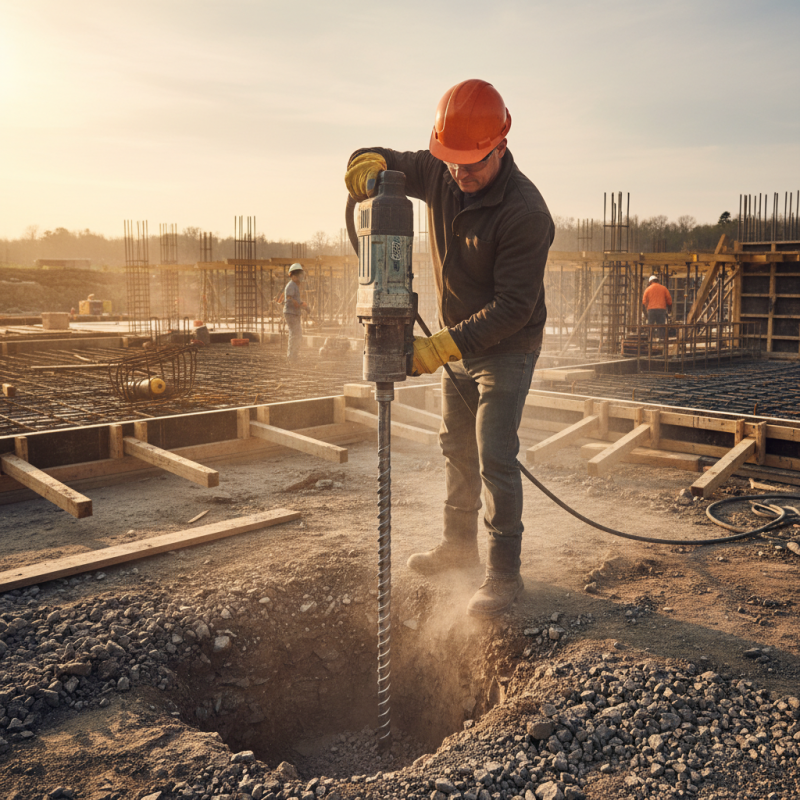
Self-drilling anchor bolts are essential for construction. They provide stability by anchoring structures securely in soil or rock. Their design allows them to install without pre-drilling, saving time and labor. This makes them a preferred choice for foundations, retaining walls, and sloped surfaces.
Understanding the application of self-drilling anchor bolts is crucial for professionals. The installation process requires attention to detail. If not done correctly, it can lead to structural failures. Proper alignment and depth are necessary for optimal performance. Additionally, environmental factors may affect their effectiveness. For example, in loose soil, their holding capacity is reduced.
While self-drilling anchor bolts are reliable, issues may arise. They can corrode over time if not coated properly. Proper planning and testing are vital. It's important to know the specific soil conditions and load requirements. Evaluating these factors ensures a strong foundation for any project.
: Misalignment often occurs, leading to structural weaknesses. Always verify the drill position first.
Different soil types impact stability. Clay can expand while sandy soils may lack support. Testing soil in advance is crucial.
Rushing increases error chances. Take time to ensure each step is done right for structural integrity.
Regular inspections are essential. Many foundation failures arise from poor upkeep, so addressing issues early is key.
Water accumulation can cause significant damage. Proper drainage systems must be installed to prevent water intrusion.
About 65% of damage is associated with water issues. Regular checks on drainage systems can mitigate this.
Devices can track shifts and highlight potential problems. This monitoring helps prevent unnoticed strain on the foundation.
Develop an effective maintenance plan. Regular inspections and addressing minor issues can extend a foundation's lifespan.
Small leaks can escalate into major problems if not addressed promptly. Regular waterproofing checks are important.
Reflect on past experiences. Learning from challenges faced can lead to improved practices in future installations.
Self Drilling Anchor Bolts are essential components for creating stronger and more stable foundations in various construction projects. These innovative fasteners not only simplify the installation process but also enhance the structural integrity of the foundation by effectively transferring loads into the ground. Understanding their applications and benefits is crucial for engineers and contractors alike, as they provide significant advantages such as reduced labor costs and improved efficiency.
The installation of Self Drilling Anchor Bolts involves a systematic approach, ensuring precise placement for optimal strength. However, users may encounter common challenges, including soil conditions and bolt positioning, which can be addressed with proper techniques and solutions. To maintain the long-term stability of the foundations, regular inspection and maintenance of these anchor bolts are recommended. Ultimately, utilizing Self Drilling Anchor Bolts is a smart investment for any construction project, promoting durability and security.

 San Biao