In the world of hardware, Fender Washer plays a crucial role in various applications. These washers provide stability and distribute load effectively. Many global buyers seek reliable suppliers to source high-quality Fender Washers. The quality of these washers directly affects the performance of the products they are used in.
Despite the abundance of manufacturers, not all suppliers offer the same level of expertise. Buyers must do their research to identify those with a strong reputation. Each supplier has unique strengths, and finding the right fit is essential. Investing time in this process is wise; it ensures quality and reliability.
Understanding the specific needs of your projects can help refine your choices. A well-informed decision can save time and reduce frustration. As this industry evolves, fostering partnerships with reputable suppliers is more important than ever. This guide aims to highlight the top ten Fender Washer suppliers, equipping buyers with the knowledge they need to make informed decisions.
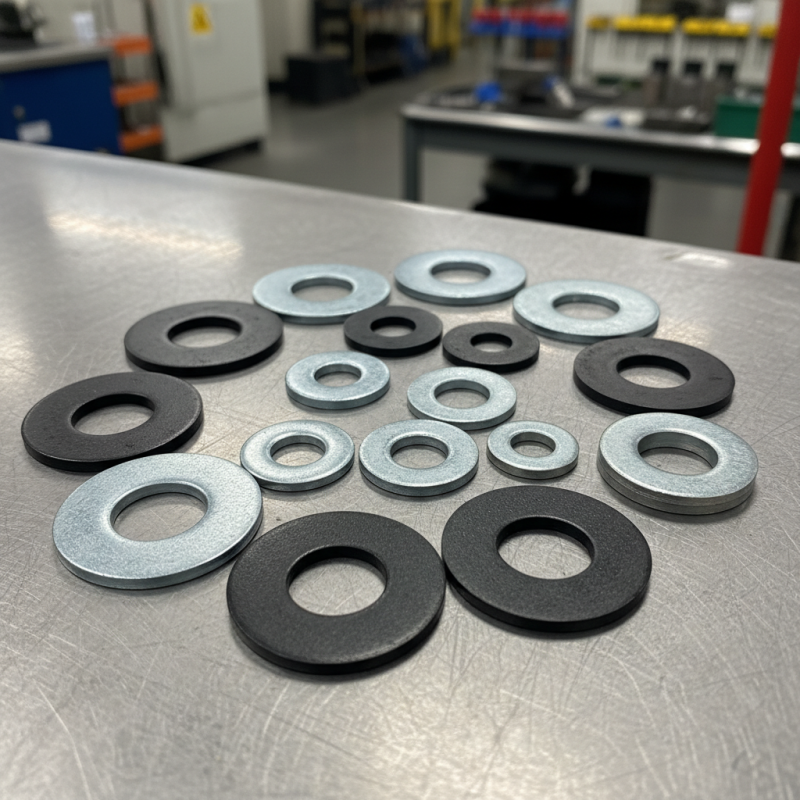
Fender washers are essential components in various industries, providing distribution of load and reducing the risk of pull-through. These flat washers can be made from different materials, including steel, plastic, and rubber. Their design typically features a larger outer diameter compared to standard washers. This unique design supports applications in areas like construction, automotive, and electronics.
Recent reports indicate that the global fender washer market is projected to grow significantly. For instance, the market value is expected to reach approximately $5 billion by 2025, driven mainly by infrastructure projects and automotive manufacturing. This growth highlights the need for reliable suppliers who can meet quality standards and deliver consistent products.
However, sourcing fender washers can pose challenges. Buyers must assess factors like material strength and environmental resistance. In some instances, suppliers may struggle to maintain product consistency across different batches. It's crucial for buyers to engage with manufacturers who prioritize quality control. Regularly verifying compliance with industry standards can help mitigate risks associated with inferior products.
When selecting top fender washer suppliers, several key criteria should guide buyers. Quality is paramount. Washers must meet industry standards to ensure durability and performance in various applications. According to recent market reports, products that adhere to ISO 9001 standards often yield lower failure rates, enhancing end-user satisfaction.
Price is another critical factor. Buyers should compare prices but beware of deals that seem too good to be true. Research indicates that lower-priced fender washers may compromise quality. A survey by a leading industry analyst revealed that 30% of firms experienced issues from low-cost suppliers, highlighting the need for thorough assessments.
Tips: Check customer reviews and feedback. This can provide insight into a supplier’s reliability. Also, consider the supplier's manufacturing capabilities. A flexible manufacturer can adjust to unique needs, ensuring better service. Finally, obtaining samples is wise before committing. This allows you to gauge quality firsthand. Remember, a good supplier relationship can result in better pricing over time.
Fender washers are essential components widely used in various applications. Their design helps distribute load, prevent material damage, and enhance stability. Sourcing quality fender washers is crucial for ensuring optimal performance in any project. Buyers should be aware of their options worldwide.
Many suppliers offer a range of materials, including stainless steel and plastic. These materials influence the durability and effectiveness of the washers. Buyers often overlook the significance of size and thickness. Ultimately, not all suppliers provide the same level of reliability. Researching supplier backgrounds can be challenging, and establishing trust is imperative.
Additionally, customer service plays a vital role in supplier selection. Effective communication can influence the outcome of orders. Buyers frequently face difficulties with long lead times and inconsistent quality. Choosing the right supplier is a complex process that requires due diligence. It involves not just assessing products but also understanding the supplier's reputation in the market.
When selecting a supplier for fender washers, understanding their reliability and quality standards is critical. Recent reports reveal that quality discrepancies can lead to significant operational disruptions. An estimated 30% of companies experience delays due to unreliable supply chains. Therefore, assessing the supplier’s track record becomes paramount for global buyers.
Quality standards vary widely among suppliers. In a survey of over 100 manufacturers, 40% acknowledged compliance issues with ISO certifications. These issues can reflect not just on product quality, but also on the overall reputation of the supplier. Buyers must scrutinize suppliers' adherence to industry standards. Reviewing customer feedback can help reveal potential reliability gaps.
Moreover, geographical location plays a role. Suppliers in regions with unstable political climates may pose risks that aren't immediately obvious. A study indicates that 25% of suppliers from certain regions face unexpected disruptions. Evaluating these factors can help in making informed choices. It is essential for buyers to reflect on these aspects while selecting suppliers in the competitive marketplace.
The fender washer market is experiencing notable trends that could shape its future. A recent industry report highlights a projected growth rate of 4.5% annually over the next five years. This growth stems from rising demand in construction and automotive sectors. Increased infrastructure projects worldwide drive the need for robust fastening solutions.
Sustainability is increasingly impacting design choices in this market. Many suppliers are focusing on eco-friendly materials. Consumers are now more conscious of environmental footprints. Data shows that products made from recycled materials see a 15% increase in demand. This shift is prompting suppliers to rethink their sourcing and manufacturing processes.
Despite growth, challenges persist. Quality control issues remain a concern for many manufacturers. Some suppliers struggle to meet international standards. This can lead to product recalls and damaged reputations. A transparent supply chain is essential for maintaining trust with buyers. Addressing these concerns will be vital for suppliers eager to strengthen their market position.
| Supplier Country | Annual Revenue (USD) | Main Markets | Market Share (%) | Growth Rate (%) |
|---|---|---|---|---|
| USA | 50,000,000 | North America, Europe | 25 | 5 |
| Germany | 45,000,000 | Europe, Asia | 22 | 4 |
| China | 70,000,000 | Asia, Europe | 30 | 6 |
| Japan | 40,000,000 | Asia, North America | 20 | 3 |
| India | 30,000,000 | Asia, Middle East | 15 | 8 |
| UK | 35,000,000 | Europe, Africa | 18 | 2 |
| Brazil | 25,000,000 | South America, USA | 10 | 1 |
| Mexico | 20,000,000 | North America, Central America | 12 | 4 |
| Russia | 28,000,000 | Europe, Asia | 14 | 2 |
| Italy | 18,000,000 | Europe, Asia | 8 | 2 |
: Fender washers help distribute load, prevent damage, and enhance stability in various applications.
Many suppliers offer fender washers made from stainless steel and plastic.
Size and thickness influence the durability and effectiveness of fender washers, yet many buyers overlook these factors.
Buyers often deal with long lead times, inconsistent quality, and unreliable supply chains, complicating their decisions.
Unreliable suppliers can cause operational disruptions, with reports indicating 30% of companies experience such delays.
Many suppliers struggle with compliance; 40% of manufacturers report issues with ISO certifications affecting product quality.
Suppliers in unstable regions may carry risks, with 25% facing unexpected disruptions.
Reviewing feedback can reveal reliability gaps and help buyers make better decisions.
No, establishing trust is essential, as not all suppliers provide the same level of reliability.
Buyers should consider quality, geographical risks, and supplier reputation to navigate the marketplace effectively.
Fender washers are essential components used in various applications, providing a larger surface area for load distribution and enhancing the stability of fasteners. They are commonly utilized in construction, automotive, and marine industries, making them a critical part of many engineering projects. When selecting fender washer suppliers, key criteria include reliability, product quality, and adherence to industry standards, ensuring that the washers meet the necessary specifications for durability and performance.
The market for fender washers is evolving, driven by innovations in manufacturing processes and increasing demand across different sectors. Analyzing supplier reliability and quality standards is crucial for global buyers to ensure they partner with reputable suppliers. Looking ahead, trends indicate a growing emphasis on sustainability and technological advancements, which will shape the future landscape of the fender washer market.

San Biao