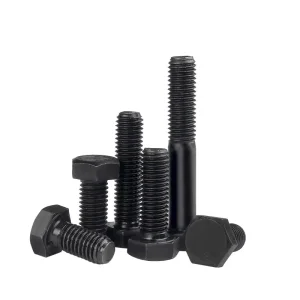
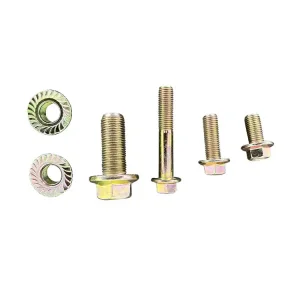
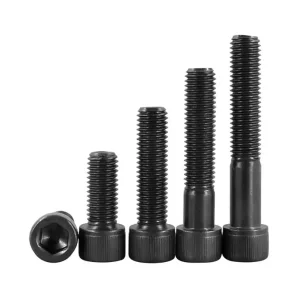
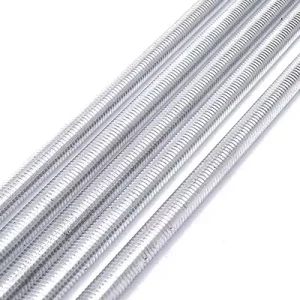
Structural Composition
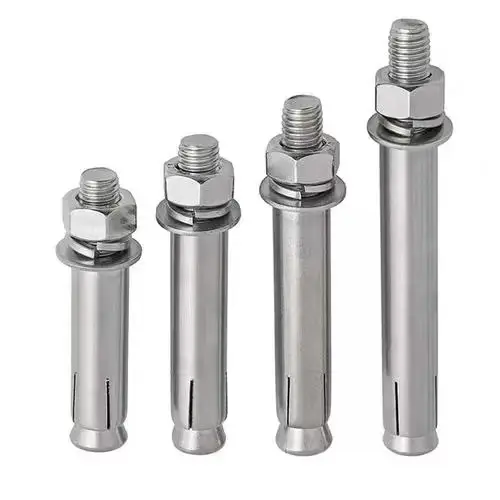
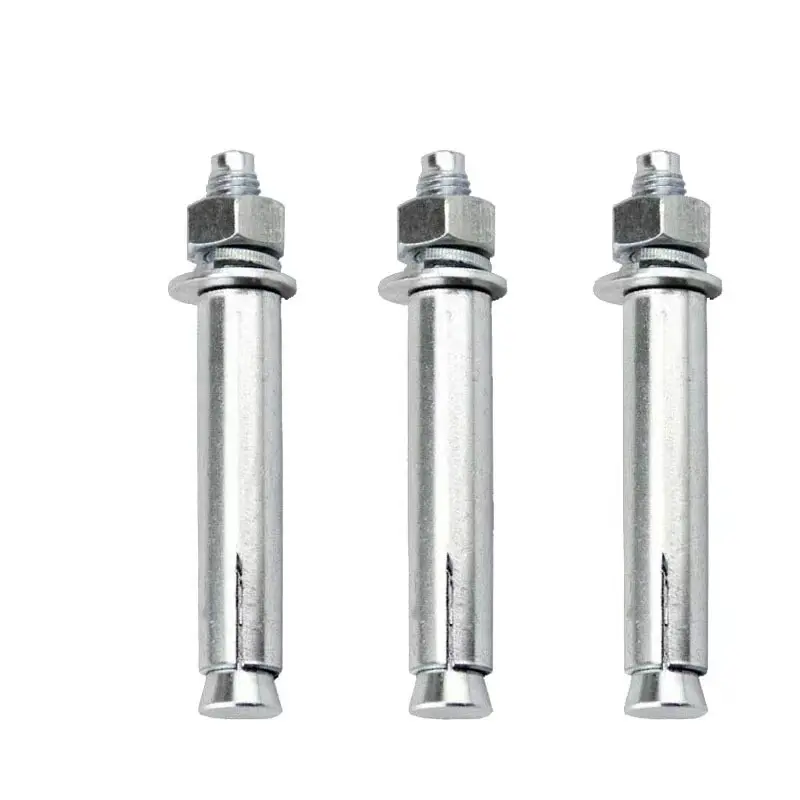
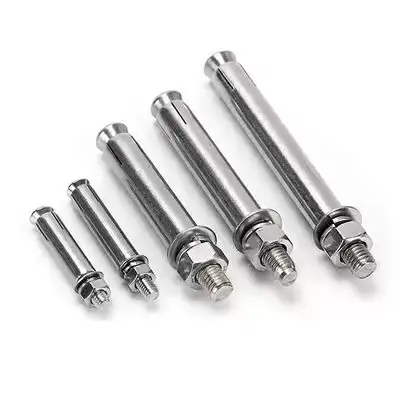
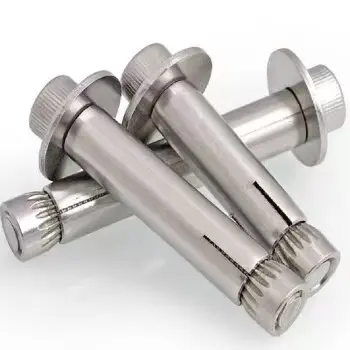
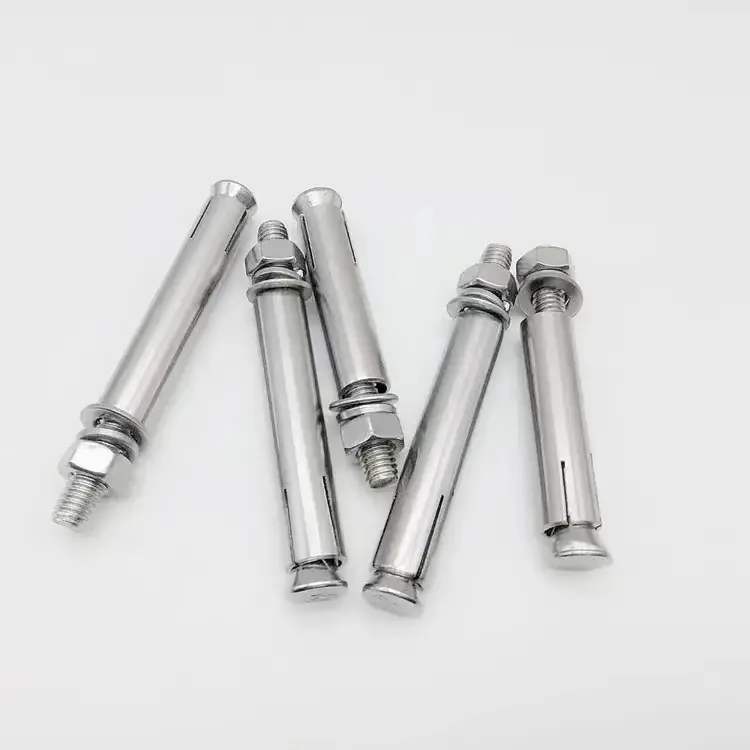
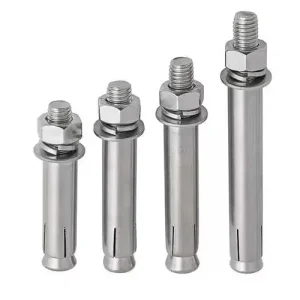
Expansion bolts are specialized fasteners designed for anchoring into solid materials. They usually consist of the following essential parts:
A threaded section that is used to screw in the expansion tube and create a wedge-shaped expansion force.
A tubular section with one or more cuts that expands radially to hold in place in the hole when the bolt is screwed in.
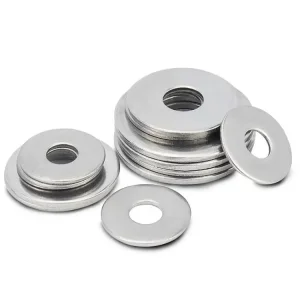
Used to connect bolts to the objects that need to be fixed and to apply the necessary preload for secure fastening.
Frequently Asked Questions
How does an expansion bolt work?
Expansion bolts work by inserting the bolt into a pre-drilled hole. As the nut is tightened, the wedge-shaped bolt body pulls through the expansion tube, forcing it to expand outward against the sides of the hole, creating a friction-based grip.
What materials are expansion bolts suitable for?
They are primarily used in solid base materials such as concrete, brick, and natural stone. They are not recommended for soft materials like wood or hollow drywall.
How do I choose the right size of expansion bolt?
Selection depends on the weight of the object being fixed, the thickness of the fixture, and the strength of the base material. Always check the load-bearing specifications provided by the manufacturer.
Can expansion bolts be reused?
Generally, expansion bolts are designed for permanent installation. Removing them often damages the expansion tube or the surrounding material, so reuse is not recommended for safety reasons.
What is the difference between a sleeve anchor and a wedge anchor?
Sleeve anchors use a full-length sleeve for expansion and are versatile for various materials, while wedge anchors use a smaller expansion clip and are specifically designed for high-strength concrete applications.
Why is the depth of the pre-drilled hole important?
The hole must be deep enough to allow the bolt to be fully inserted and for the expansion mechanism to engage properly. If the hole is too shallow, the bolt will not provide the rated holding power.
 San Biao